
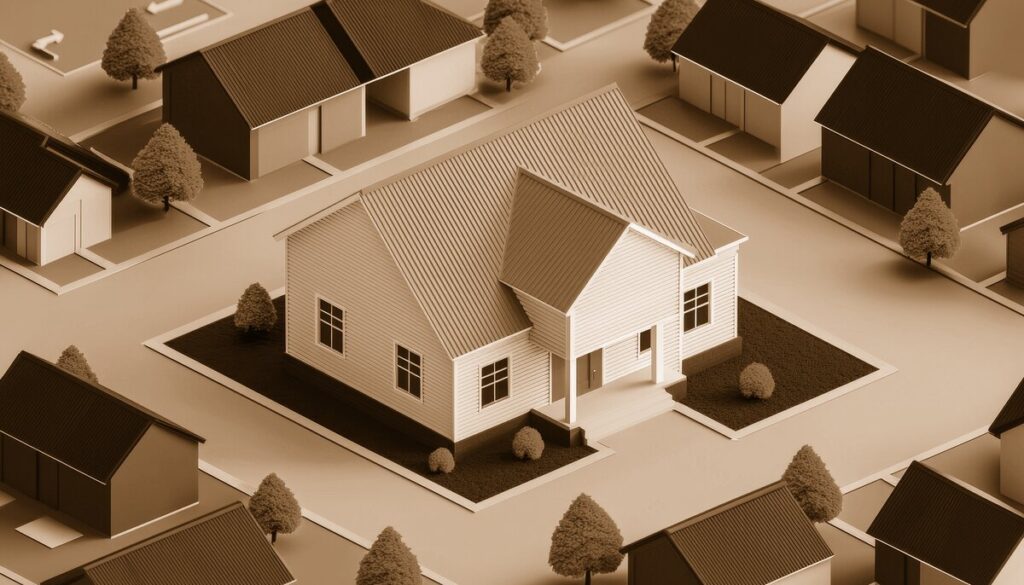
Nestled in the heart of Coachella, La Paloma Estates is a neighborhood that blends history, heritage, and modern living—a place where family stories unfold under the shade of thriving palms and golden desert skies. Though it remains one of Coachella’s lesser-known communities, La Paloma Estates holds a special place in the city’s story, representing both the traditions of its early settlers and the promise of Coachella’s future.
Origins of La Paloma Estates
The origins of La Paloma Estates date back to the late 1970s, when Coachella was experiencing a period of transformation. Following decades as a predominantly agricultural region—famous for its date palms, vineyards, and citrus groves—Coachella began to attract families seeking new homes in safe, welcoming environments. It was in this context that the vision for a new neighborhood emerged on what is now known as Calle Jacaranda, between Avenue 50 and Avenue 52.
The name “La Paloma,” which means “the dove” in Spanish, was selected as a reflection of both the peaceful aspirations of the community and Coachella’s deep-rooted Hispanic heritage. Early promotional materials boasted about the quiet streets, family-friendly layouts, and the bird’s-eye views of the Santa Rosa Mountains.
How the Neighborhood Got Its Name
According to local legend, the founders of the neighborhood were inspired by the flocks of white doves that frequently visited the palm groves and open lots before development began. The dove, or “paloma,” is also a symbol of peace, unity, and community in many cultures, echoing the inclusive spirit with which the neighborhood was conceived. Old residents tell stories of doves perching on telephone wires along Calle Paloma, giving a poetic touch to daily life—even as new homes and sidewalks were poured in the early days.
Key Historical Milestones
The development of La Paloma Estates happened in distinct waves:
- Early Days (late 1970s): The first homes, many of single-story ranch style, were erected along Calle Camacho and Avenida Arteaga. Streets were named in honor of community leaders and cultural heroes, which remain today as silent tributes to Coachella’s diverse roots.
- Community Formation (1980s): By the 1980s, the neighborhood was home to dozens of young families, many of whom were drawn by the promise of large yards and family-friendly parks. During this time, the nearby Cesar Chavez Elementary School opened its doors, quickly becoming a vital cornerstone for local youth.
- Modern Growth (1990s-present): Renovations and small waves of new construction in the 1990s and 2000s steadily refreshed the area. As Coachella’s population surged, so did the vibrancy of La Paloma Estates, with new landscaping, playgrounds, and walking paths introduced by both city planners and neighborhood groups.
Notable Landmarks & Institutions
La Paloma Estates may be compact, but it is filled with local landmarks that tell the story of its community spirit:
- Parque La Paloma: This beloved green space features shaded play areas, basketball courts, and picnic tables, making it the social heart of the neighborhood. Many long-standing residents recall block parties and community celebrations under the awning of Parque La Paloma’s stately palms.
- Cesar Chavez Elementary School: Located at the boundary of La Paloma Estates, this school has served generations of children and stands as a symbol of opportunity and learning.
- The Jacaranda Row: Along Calle Jacaranda, a row of blooming jacaranda trees reveals itself each spring, marking the change of seasons and serving as a living tribute to the community’s founders, who planted them decades ago.
Evolution Over the Decades
What sets La Paloma Estates apart is its ability to maintain a sense of warmth and neighborly connection, even as time marches on. In the 1980s and 90s, residents would gather for potluck dinners and carpool to Coachella city events. Today, the same spirit lives on through neighborhood watch programs and an active social media group where residents share news, organize clean-ups, and help each other out.
The architectural style, once dominated by classic ranch homes, now blends seamlessly with modern, eco-friendly designs as younger families invest in renovations and occasional rebuilds. The area’s walkability has improved through city investments in safer sidewalks and improved lighting—projects often advocated for by local resident associations.
Traffic remains gentle, with locals taking leisurely strolls down Avenida Camacho, waving to joggers or neighbors walking their dogs. The nearby Coachella Valley High School has become a secondary hub, with teens heading out for football games or club meetings, adding to the vibrant community life that spills over into La Paloma’s quiet side streets.
Preserving Heritage, Embracing the Future
La Paloma Estates is a neighborhood built on shared values—peace, unity, and a love of community. Through the years, this corner of Coachella has witnessed change while holding fast to the traditions that gave it its name. Today, families from all walks of life find a welcoming home here under the broad desert sky.
Residents take pride in maintaining their small neighborhood parks, planting native flora, and participating in annual events that keep traditions alive. July’s neighborhood picnic and December’s holiday light contest are eagerly awaited each year, bringing together both newcomers and the area’s founding families.
While growth and progress bring new faces and occasional change, the heart of La Paloma Estates remains stitched into every sunrise and every friendly doorstep. It’s this blend of heritage and hope that ensures La Paloma Estates will continue to be a treasured part of Coachella—where doves still perch along Calle Paloma, and where neighbors greet each other like old friends.